
Toward a Kashmir Endgame? How India and Pakistan Could Negotiate a Lasting Solution
Kashmir has once again emerged as a major flashpoint between South Asia’s nuclear-armed rivals, India and Pakistan. The Indian government’s August 2019 withdrawal of statehood status for the Muslim-majority Jammu and Kashmir region intensified disaffection among separatists and the Kashmiri public. This report explores the strategies India and Pakistan have adopted toward Kashmir in the year since August 2019, and examines a potential road map for resolving the Kashmir conflict.
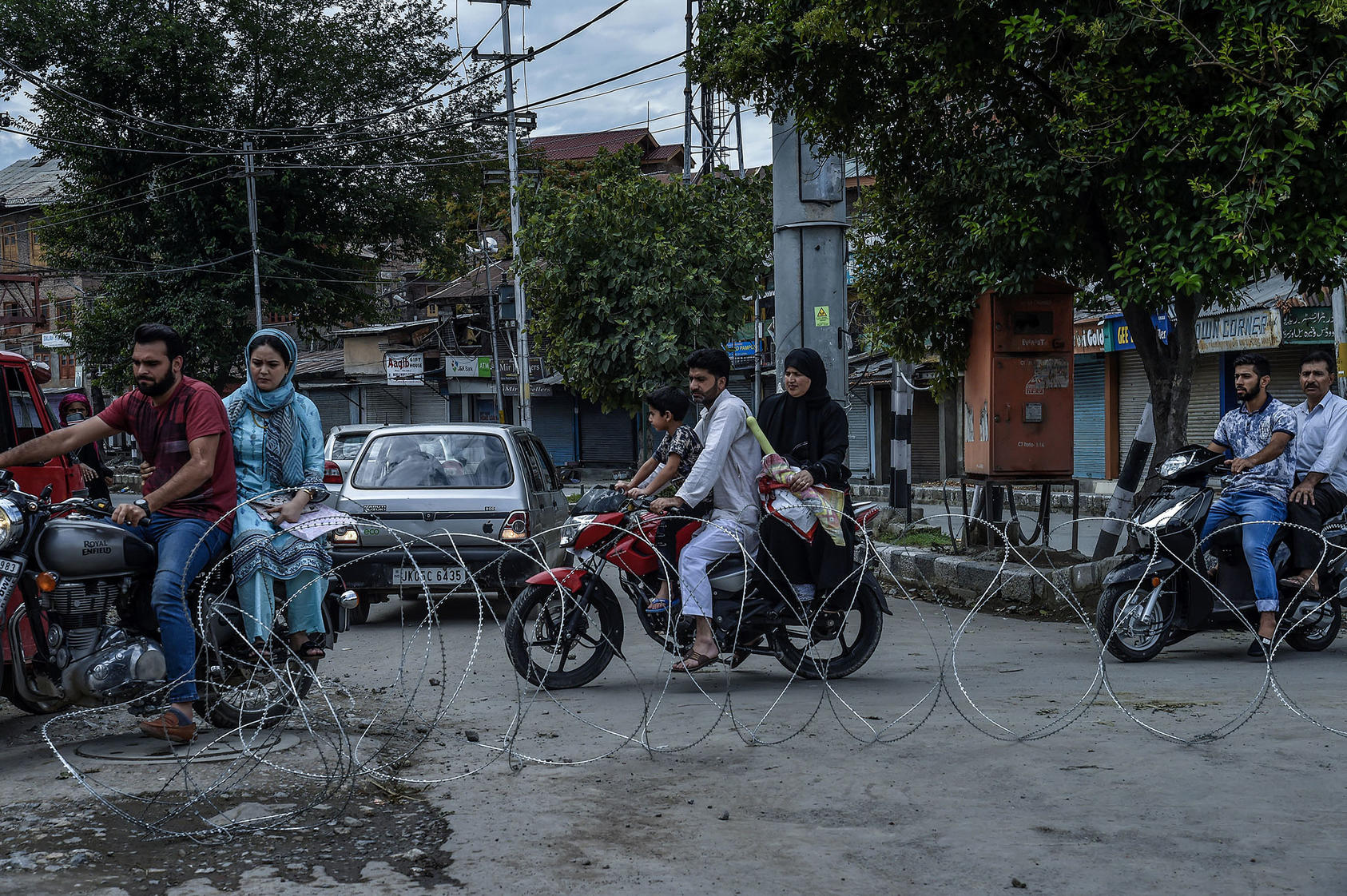
Summary
- Kashmir has been a cauldron of discontent since August 2019, when the Indian government altered the special constitutional status of the state of Jammu and Kashmir and split it into two “union territories” under direct federal administration.
- For now, the Indian government seems to have closed off options for a negotiated settlement of Kashmir with Pakistan as well as with separatist parties in Kashmir. New Delhi’s strategy is to tighten its control of Kashmir while creating space for more pro-India politics. But this approach has intensified disaffection in Kashmir while opening the door for increased Pakistani interference.
- Pakistan has responded by stitching together a strategy designed to cast doubt on the diplomatic basis of the current bilateral cease-fire and fuel violence within Kashmir while raising tensions on the border.
- These mutually exclusive and highly militarized strategies have the potential to dangerously re-escalate tensions between India and Pakistan.
- Although bilateral attempts at conflict resolution in Kashmir seem unlikely in the near future, both sides may come to see the advantages of talking. When the time is ripe, the two sides should revisit the “Kashmir formula” that was negotiated and nearly finalized in 2004–07 through backchannels.
About the Report
This report examines the insurgency and militancy in Kashmir and the India-Pakistan conflict over Kashmir in the wake of the major constitutional changes carried out by India in August 2019. This study is based on discussions and interviews with senior retired and serving Indian and Pakistani officials and on insights gained from the author’s participation in closed-door track 2 meetings between India and Pakistan.
About the Author
Happymon Jacob is an associate professor of diplomacy and disarmament at the Jawaharlal Nehru University in New Delhi. He is a columnist with The Hindu, hosts a weekly show on national security at The Wire.in, and is the author of The Line of Control: Travelling with the Indian and Pakistani Armies (2018) and Line on Fire: Ceasefire Violations and India-Pakistan Escalation Dynamics (2019).
